
Traditional· 01 / 07
Muraqqa
Thirty traditional rugs, photographed as they are.
Enter Muraqqa 30 pieces
Seven collections.One loom in Jaipur.
Each collection keeps its own hand and its own colours. Walk through them one at a time.
Thirty traditional rugs, photographed as they are.
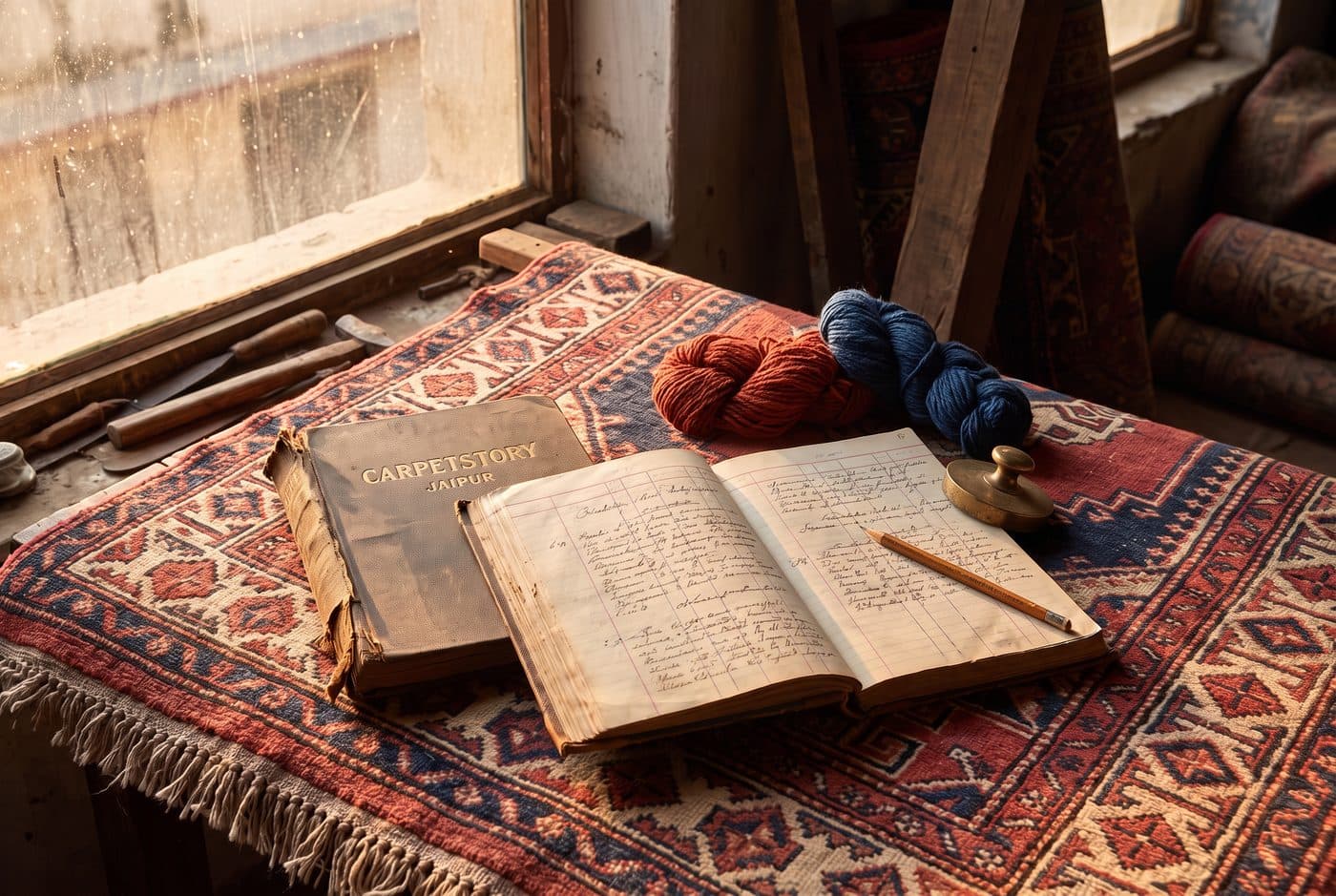
Carpetstory began as a family export house in Jaipur: looms, dye vats, and a ledger of orders from houses that never asked our name. We wove for others first. It taught us everything about how a rug should be made, and nothing about how it should be signed.
By then our rugs had reached more than thirty countries. At Domotex Hannover, the world's leading carpet fair, we staged the biggest carpet showcase of the fair with the Shalimar collection; Fashion TV filmed it. We came home knowing the work could stand anywhere.
The atelier works under its own name now. One artisan to one rug, six to ten months on the loom, madder and indigo and walnut in the vats. The next chapter is authorship: pieces signed by the hand that tied the knots. The madder red is still exactly the same.
Carpetstory began in 2001 as a family export house. I grew up around it, and somewhere along the way I noticed the world had stopped looking at the floor.
Carpetstory is a small attempt to make people look down again. Not at the rug, but at the eight months it took, and the hands that took them.
Tell us about the room, the light, the way the day moves through it. We'll suggest a piece, or commission a new one.
Trade pricing, full collection access, project samples, and a dedicated point of contact for specification.
Carpetstory is a hand-knotting atelier in Jaipur, Rajasthan. Every rug that leaves the house is woven by one artisan on one loom over six to ten months, then signed on the back by the hand that tied the knots. The firm has worked this way since 2001. The craft is centuries older.
A hand-knotted rug is built one knot at a time. The weaver ties each Persian knot around two warp threads, cuts it, beats it down and moves on to the next. At six to fourteen knots to the inch, an 8 by 10 foot piece holds hundreds of thousands of knots, every one placed by hand. That is the difference between a handmade rug and a hand-tufted or machine-made one: nothing is glued, nothing is punched, and the pile can be re-knotted a generation from now.
We keep one artisan on one rug from the first thread to the last. It is slower than a line of weavers, and it shows. The tension stays even across the whole field, the colour transitions are one person's judgement, and the finished piece carries a single signature rather than a batch number.
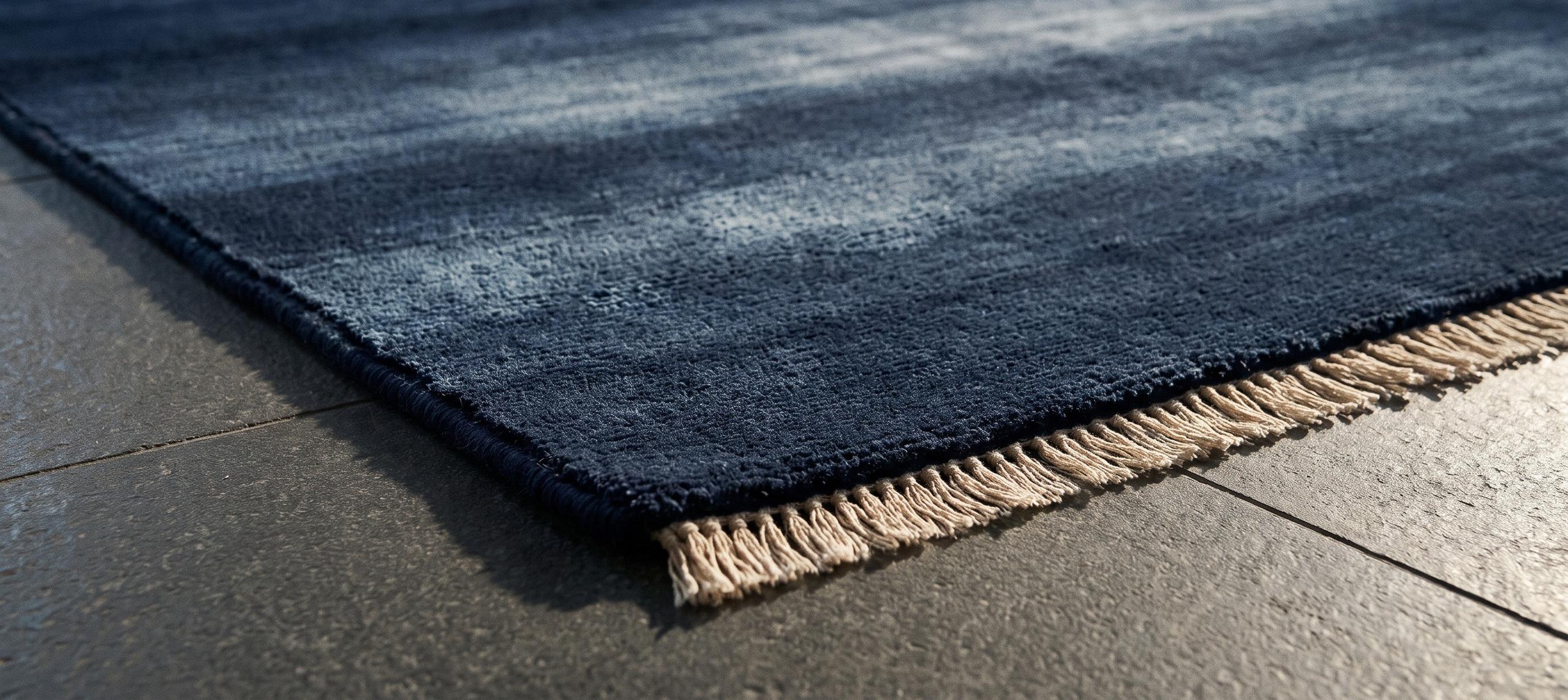
The wool comes from highland sheep in New Zealand, chosen because the fibre is long, lanolin-rich and naturally lustrous. It is hand-spun rather than machine-carded, which leaves the yarn slightly irregular and the surface of the rug alive under light. Mulberry silk from China is reserved for the finer weaves, used as accent threads in the field where it catches the light differently across the day. The warp underneath is long-staple Indian cotton, twisted to a density that holds the knots for decades.
Every colour begins as a plant. Madder for the reds, indigo for the blues, walnut for the browns. The wool is dipped, dried and dipped again until it refuses any more dye. Natural dyes age differently from chemical ones: they soften rather than fade, and the madder red in our first rugs from 2001 is the same red we dye today.
Most of what we weave is made to order. A custom rug can be any size or shape, from a narrow runner to a piece that fills a whole room, and any colour matched to a RAL or Pantone reference on hand-dyed wool. We state tolerances before we begin, and you approve a technical sheet and a physical sample before the loom is warped. The sizes most living rooms and bedrooms call for, 8 by 10, 9 by 12 and 10 by 14 feet, are woven to order on the same looms as the bespoke pieces.
Carpetstory is a rug manufacturer in Jaipur as well as an atelier. Since 2001 our rugs have reached more than thirty countries, and in 2012 we staged the biggest carpet showcase at Domotex Hannover, the world's leading trade fair for carpets and floor coverings, with the Shalimar collection. Today the trade side of the house works with interior designers, architects, importers and hotel projects: trade pricing, full collection access, project samples and one point of contact for specification. Programme orders start at five pieces per design; for designers we also weave single bespoke pieces. Hand-knotted, hand-tufted and machine-made constructions are all available for contract work.
The sample kit is where most projects start. Four samples, each twelve inches square, woven to your specification: two hand-knotted, two tufted. The first four are on us.
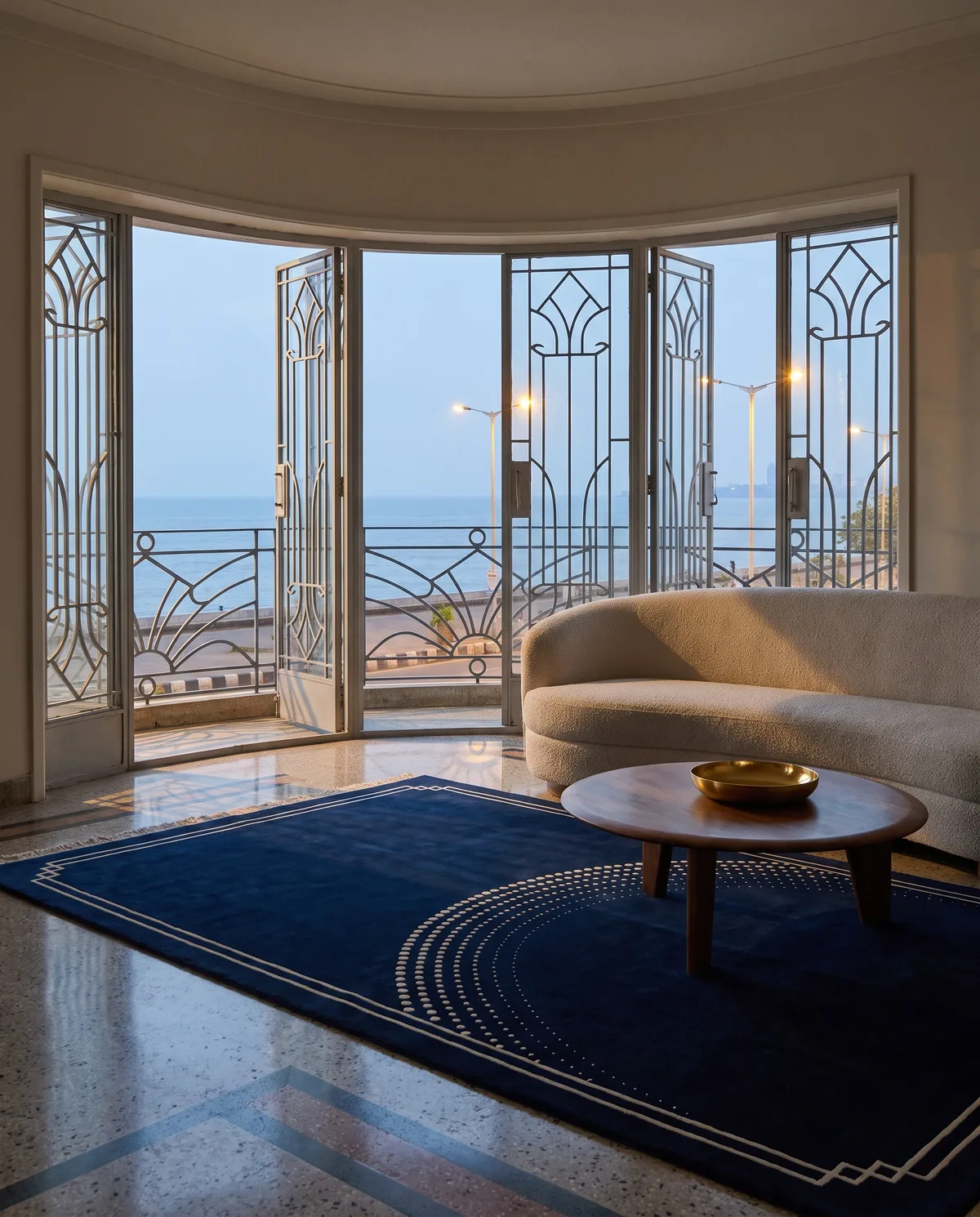
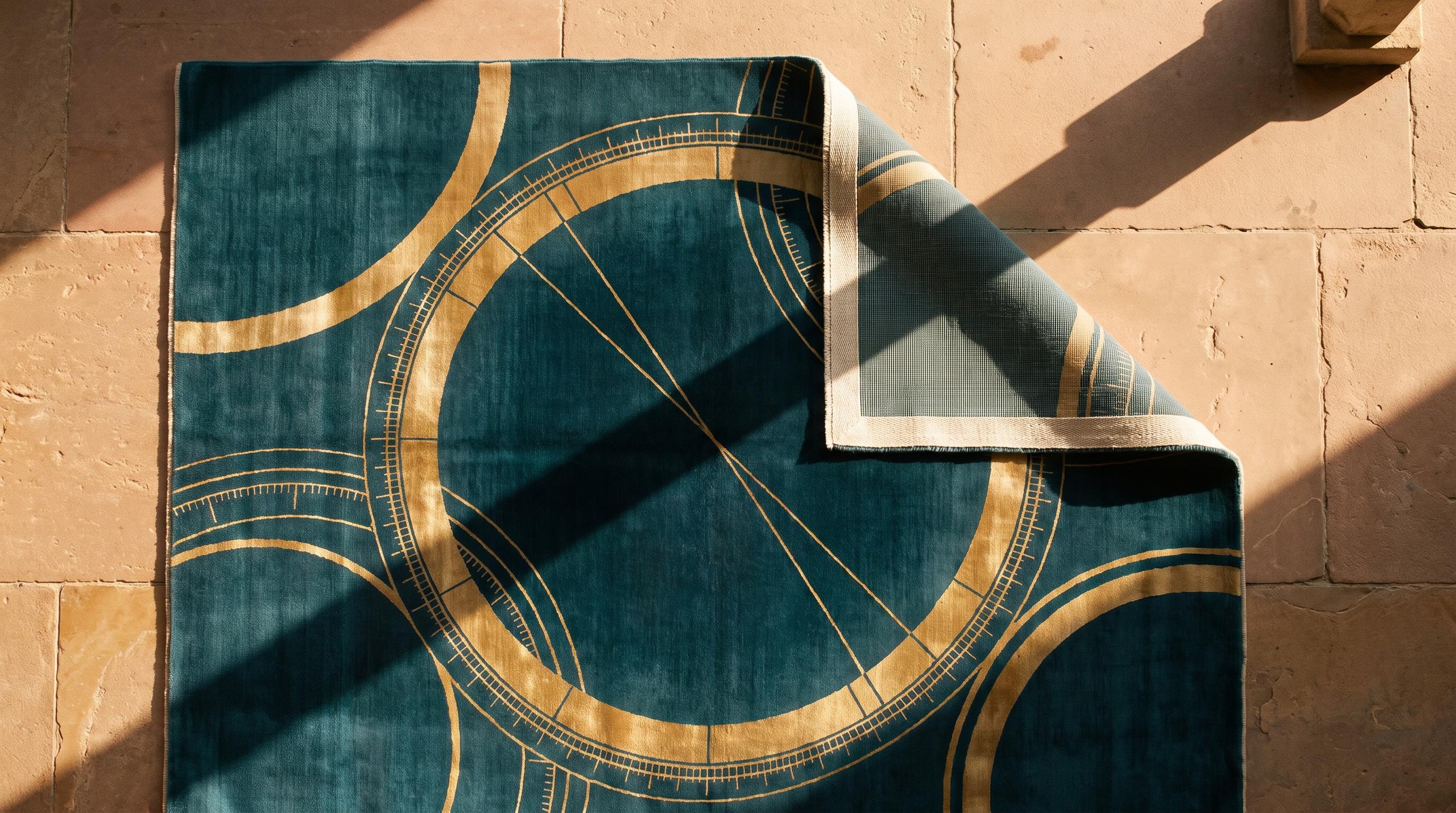
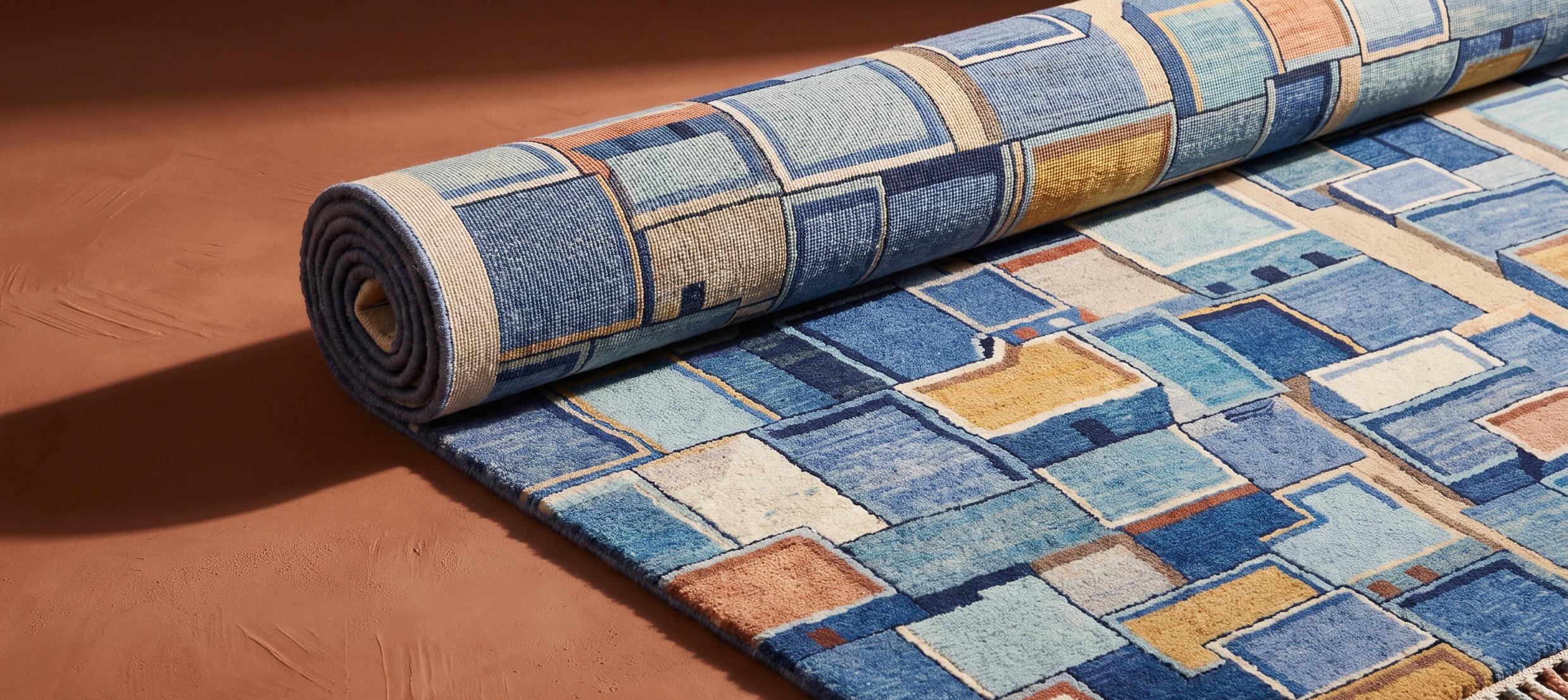
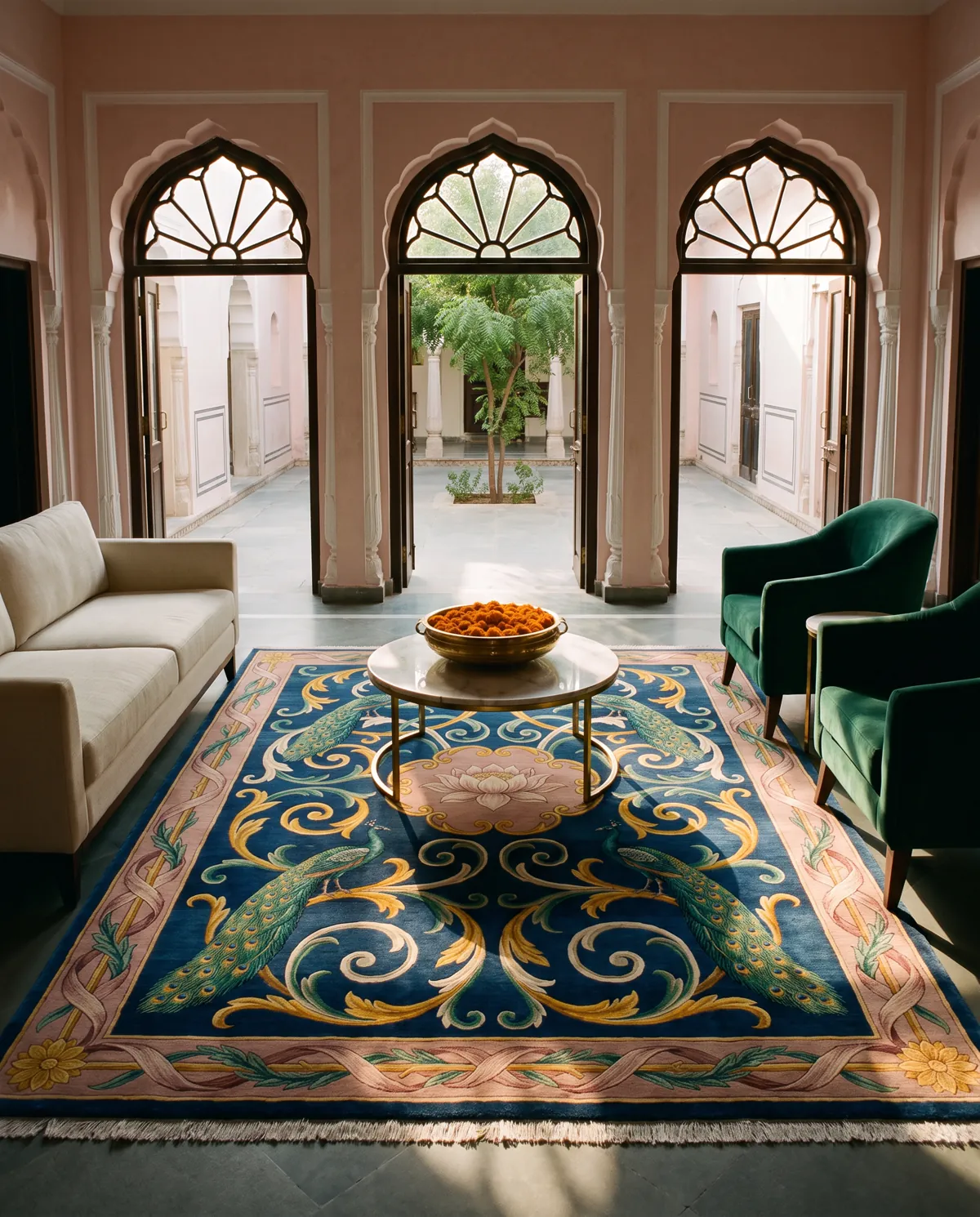
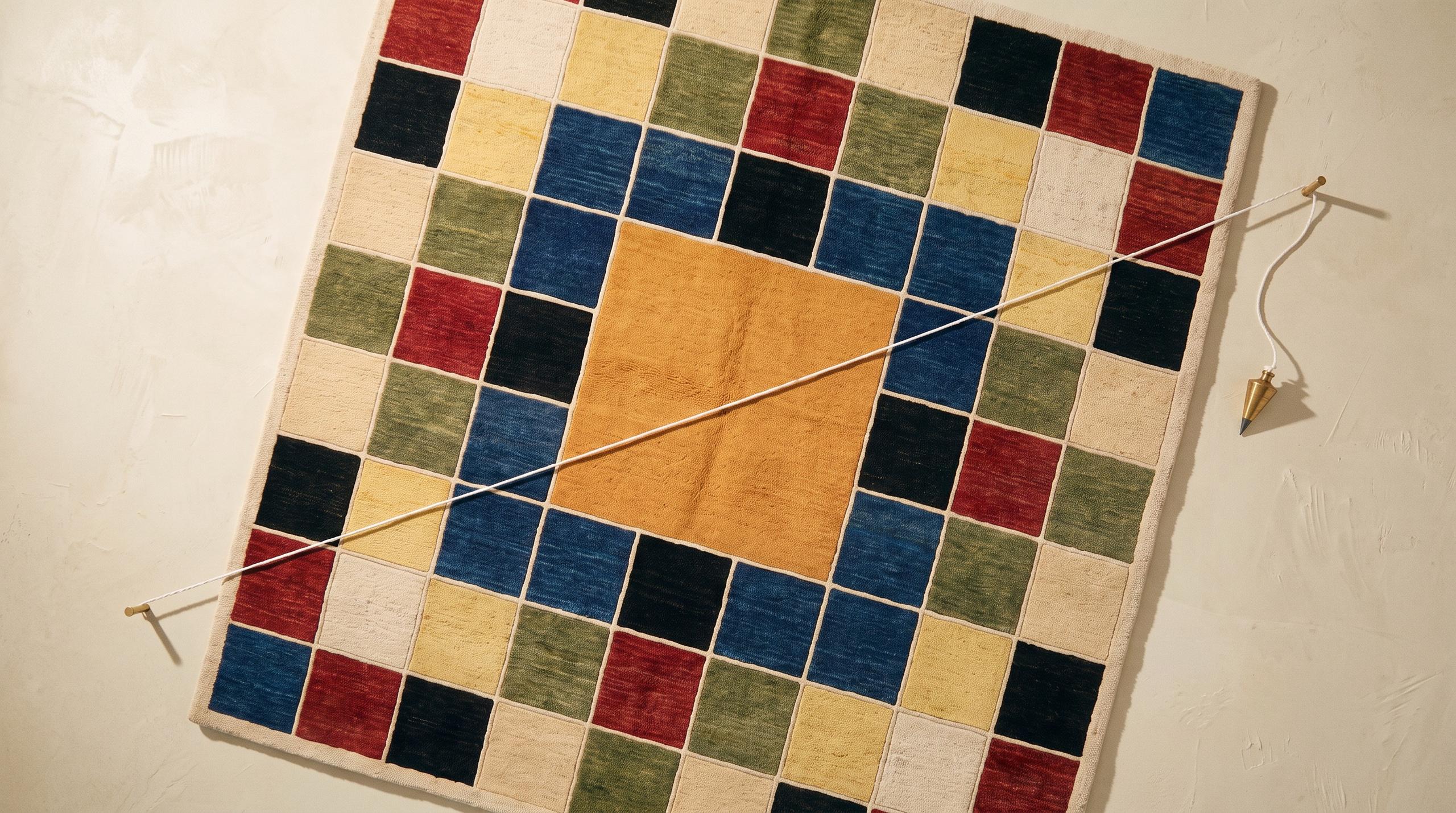
Muraqqa holds the traditional Persian and Mughal designs, photographed as finished rugs. Darbar draws palace ornament the way Jaipur might, and Meridian is modern, taken from the stone instruments of the Jantar Mantar. Tarang carries Bombay's 1930s Art Deco onto the floor. Shulba is geometry laid out with a cord, Dharti is the land of Rajasthan seen from above, and Oon is plain: undyed wool and single dyes. Each collection page shows the pieces available to commission, with the materials and knot density of the collection.
A rug that passes through an importer, a wholesaler and a showroom has been marked up three times before it reaches a floor. Buying from the atelier removes those layers. You deal with the people who dye the wool and tie the knots, you see the piece on the loom if you wish, and the price reflects the work rather than the chain.
We ship handmade rugs from India worldwide. Sea and air freight leave from Delhi with full export documentation, and door-to-door delivery is available to Germany and the EU, the Gulf, North America and beyond. The journal explains what importing a rug from India involves, from Incoterms to duty and transit times, so there are no surprises at customs.
A hand-knotted wool rug, vacuumed gently and rotated twice a year, will outlast the room it was bought for. When it needs attention, the atelier that wove it can repair it knot for knot.
The atelier in Jaipur receives visitors by appointment. Write to us, message us on WhatsApp, or start with the four samples. We reply within one business day.
A hand-knotted rug is tied one knot at a time on a loom; the pile is the knots themselves. A hand-tufted rug is punched through a canvas with a tufting gun and held together with latex glue. A machine-made rug is woven by a power loom in hours. Hand-knotting takes months, lasts for decades and can be repaired knot for knot. Carpetstory weaves hand-knotted pieces in the atelier and offers tufted and machine-made constructions for trade programmes.
Jaipur has been a hand-knotting centre for centuries, and quality varies by workshop, not by city. What to check: the knot density (Carpetstory weaves six to fourteen knots to the inch), the wool (ours is long-fibre New Zealand highland wool, hand-spun), the dyes (madder, indigo and walnut rather than chemical colour), and whether one weaver kept the tension even across the whole piece. Ask to see the back: on a well-made rug the pattern is as clear there as on the front.
Six to ten months on the loom for a hand-knotted piece, depending on size and knot density, with one artisan on one rug from the first thread to the last. Tufted and machine-made programmes move considerably faster; exact lead times come with your quotation.
Knots per inch, counted along one side. Carpetstory weaves between six and fourteen knots to the inch, which puts an 8 by 10 foot rug at several hundred thousand hand-tied knots. Higher density allows finer curves and detail; lower density gives a heavier, more textured pile. Neither is better on its own; the design decides.
Hand-spun New Zealand highland wool for the pile, mulberry silk from China as accent threads in the finer weaves, and long-staple Indian cotton for the warp. Wool carries the rug; silk catches the light.
Yes. Madder for the reds, indigo for the blues, walnut for the browns, in vats at the atelier. Natural dyes soften with age rather than fading, and no two dye lots are identical.
Yes. Any size or shape to the centimetre, from runners to room-filling pieces, and any colour matched to a RAL or Pantone reference on hand-dyed wool. Tolerances are stated before we begin, and you approve a technical sheet and a physical sample before weaving starts.
For a living room, a rug that sits under the front legs of every seat: 8 by 10 feet or 9 by 12 feet in most rooms. For a bedroom, a rug that extends at least two feet beyond the sides and foot of the bed: 8 by 10 for a queen, 9 by 12 for a king. Because every Carpetstory rug is woven to order, the exact dimensions of your room are the only sizes that matter.
Yes. The trade side of the house offers trade pricing, full collection access, project samples and one point of contact for specification. Programme orders start at five pieces per design; for designers we also weave single bespoke pieces. Details are on the Partner with Us page.
We ship worldwide. Sea and air freight leave from Delhi with full export documentation; door-to-door delivery is available to Germany and the EU, the Gulf, North America and beyond. Import duty and VAT depend on your country and the Incoterm on your quotation; the journal has a plain guide to importing a rug from India.
Yes. The sample kit is four pieces, each twelve inches square, woven to your specification: two hand-knotted, two tufted. The first four are on us; further samples are quoted with your project.
Vacuum without a beater bar, rotate the rug twice a year so it wears evenly, and blot spills with cold water rather than rubbing. Have it professionally hand-washed every few years. A hand-knotted rug can be repaired knot for knot, so wear at an edge or a spill that will not lift is a repair, not a replacement.
Gladly, by appointment. The atelier is in Jaipur, Rajasthan. Write to us or message us on WhatsApp and we will arrange a time to see the looms and the dye vats.
No. Carpetstory is an independent hand-knotting atelier in Jaipur, founded in 2001 and a brand of House of Dotone LLP. It has no connection to Jaipur Rugs, Carpet One or any other company with a similar name.