4 min read
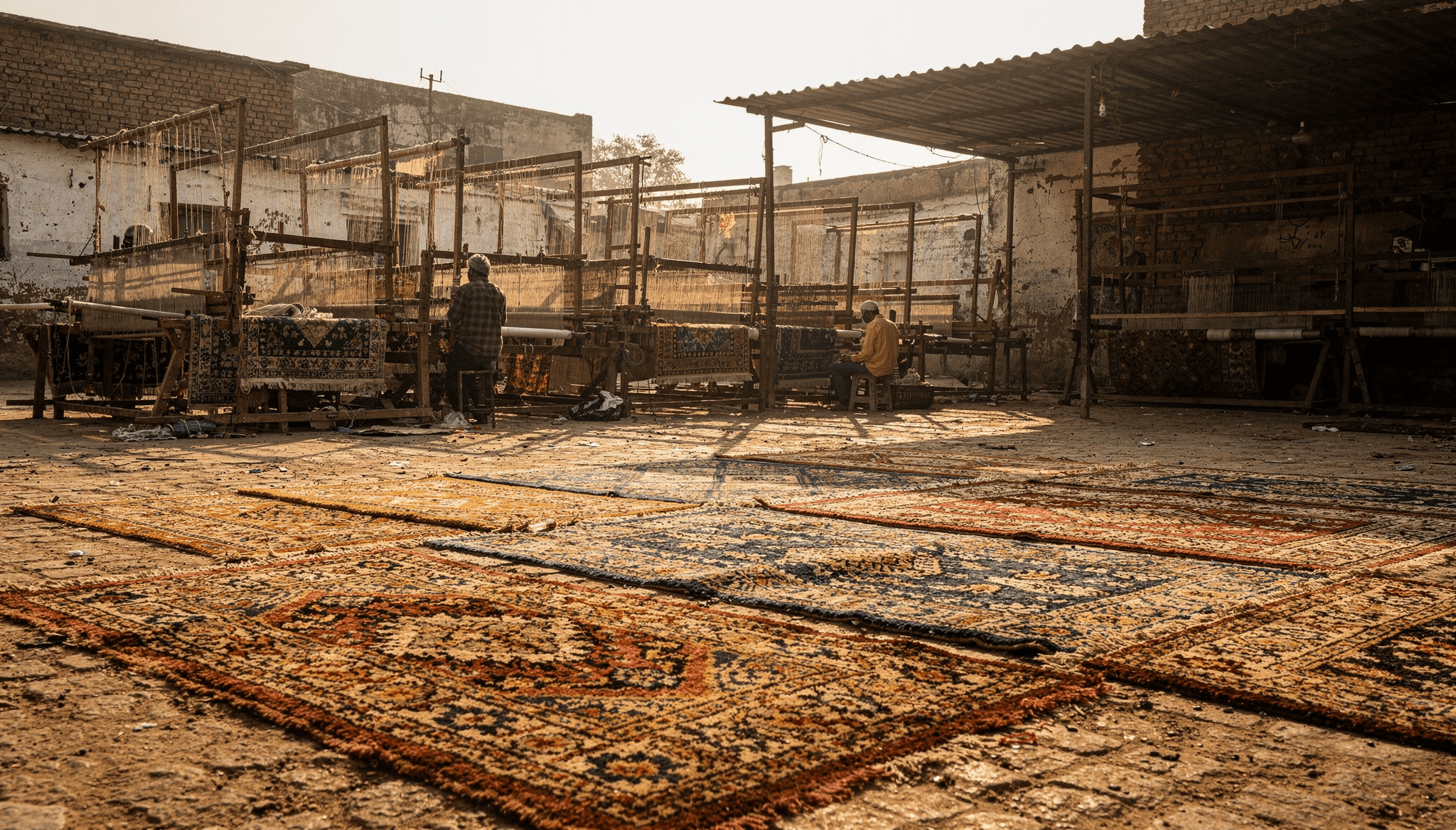
Bhadohi: India's Carpet Heartland
Portrait of a region: why the carpet belt of Bhadohi and Mirzapur is the largest knotting landscape in the world, what its protected origin means and what the craft there lives on.
Read articleNotes from the atelier. Writing on craft, colour, materials, and the people who weave Carpetstory rugs.
Portrait of a region: why the carpet belt of Bhadohi and Mirzapur is the largest knotting landscape in the world, what its protected origin means and what the craft there lives on.
Read article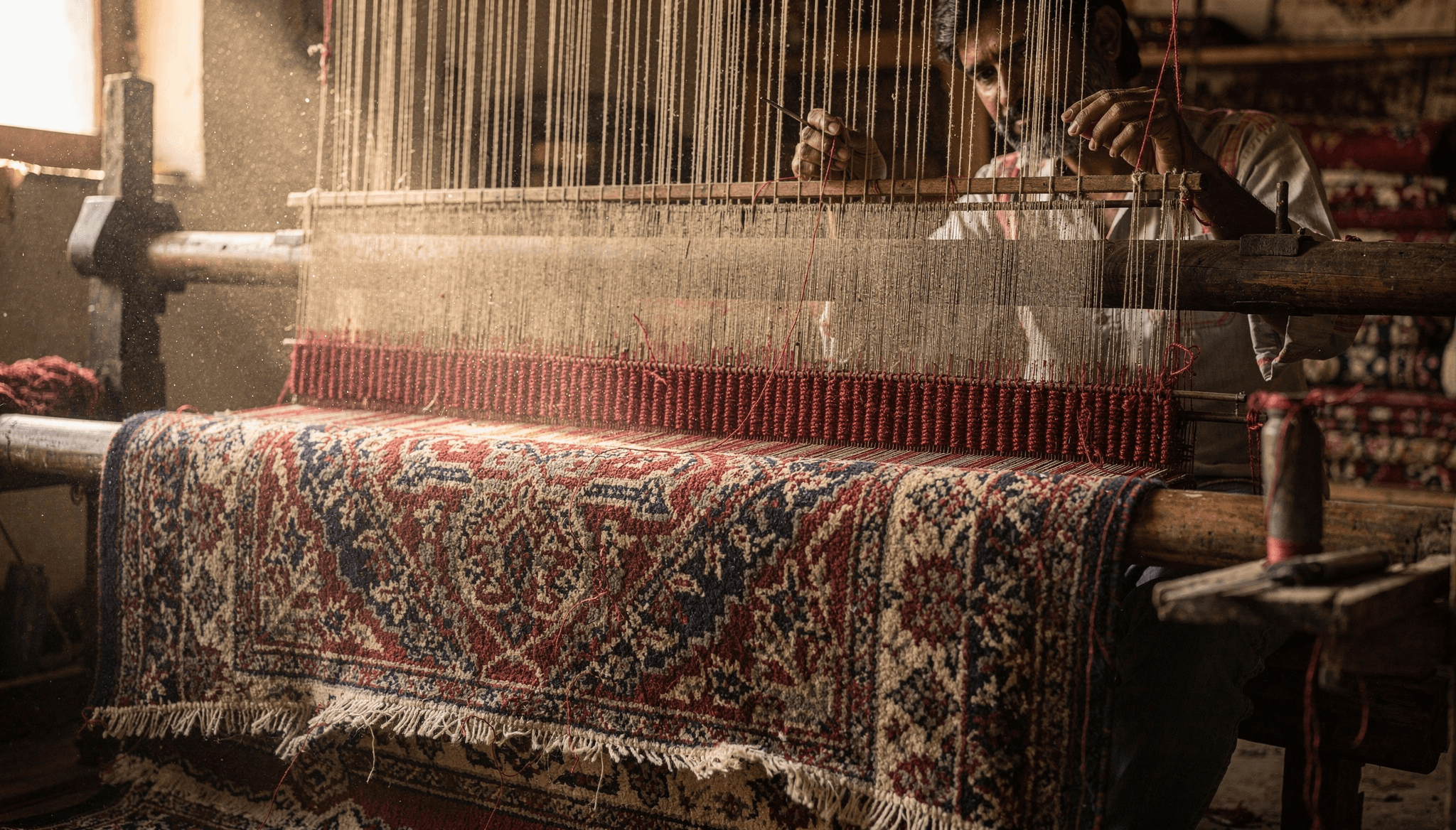
Five centuries of knotting tradition: how India went from the Mughal court to the world's largest manufactory landscape, what defines Indian rugs and how to recognize quality.
Read article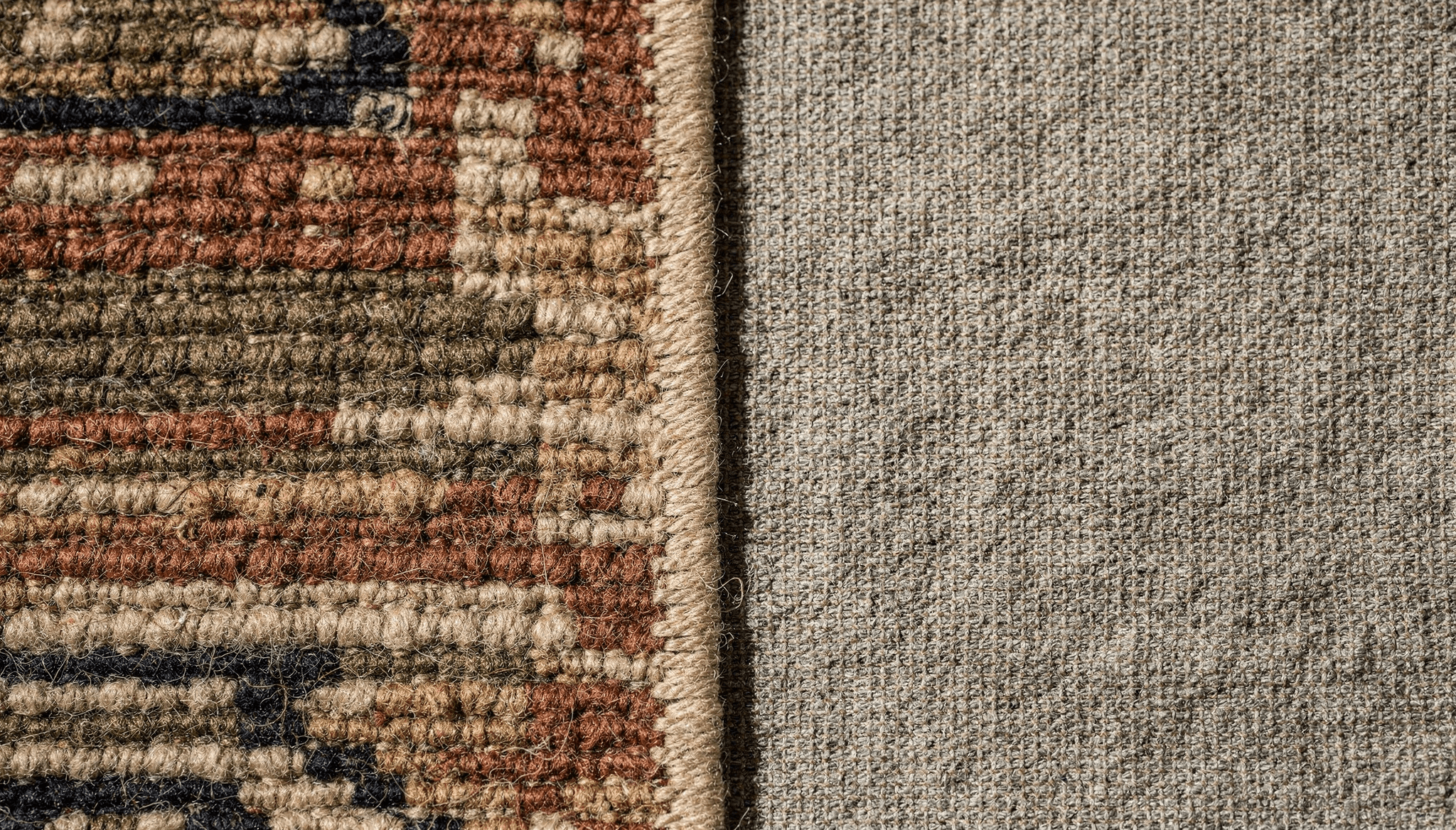
Handknotted, machine-woven or tufted: how the three constructions differ, what that means for lifespan, repair and value, and when each is the legitimate choice.
Read article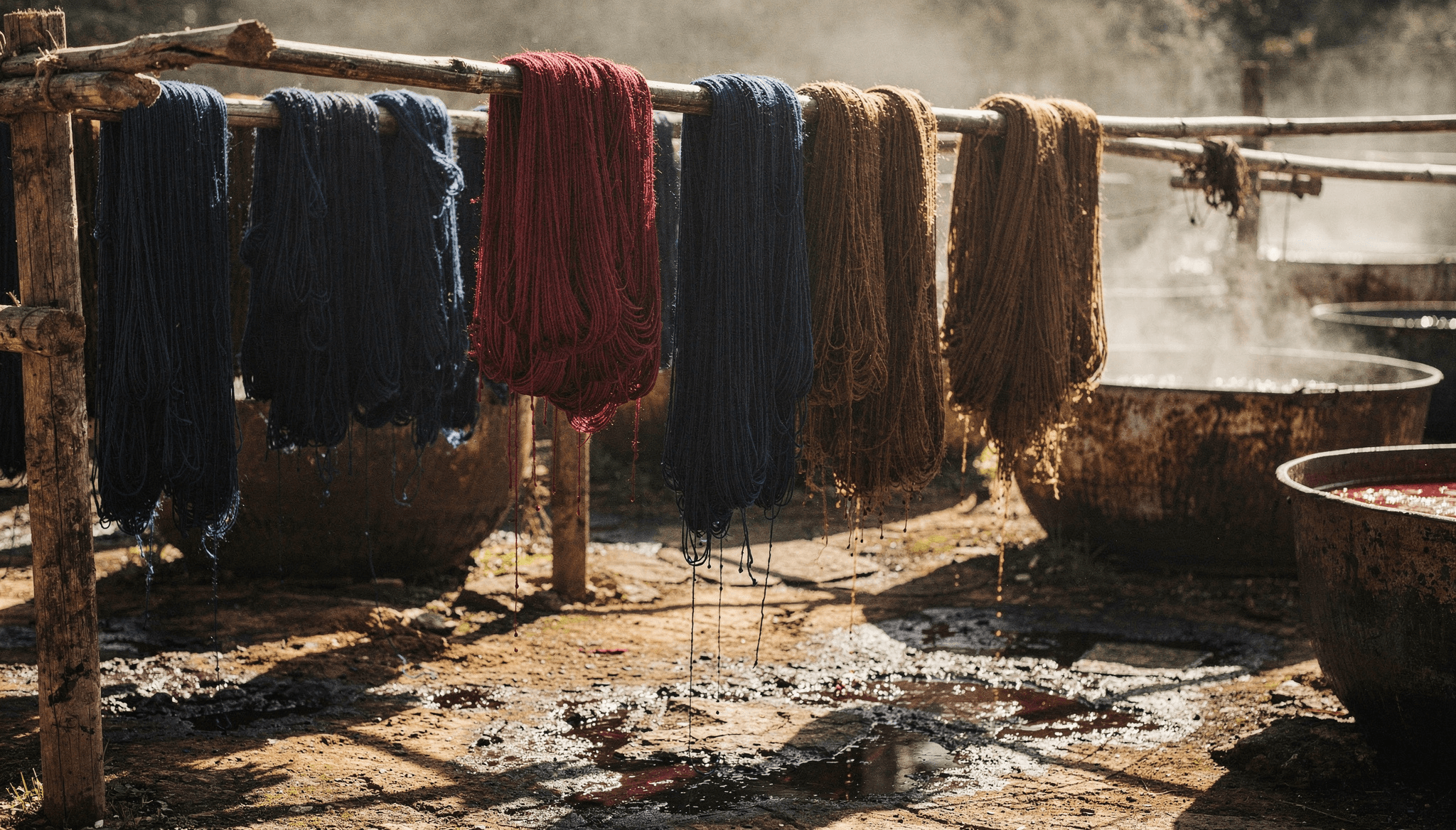
Indigo, madder, walnut and pomegranate: how plant dyeing works, why abrash is a feature rather than a flaw, and why natural dyes age into patina instead of fading.
Read article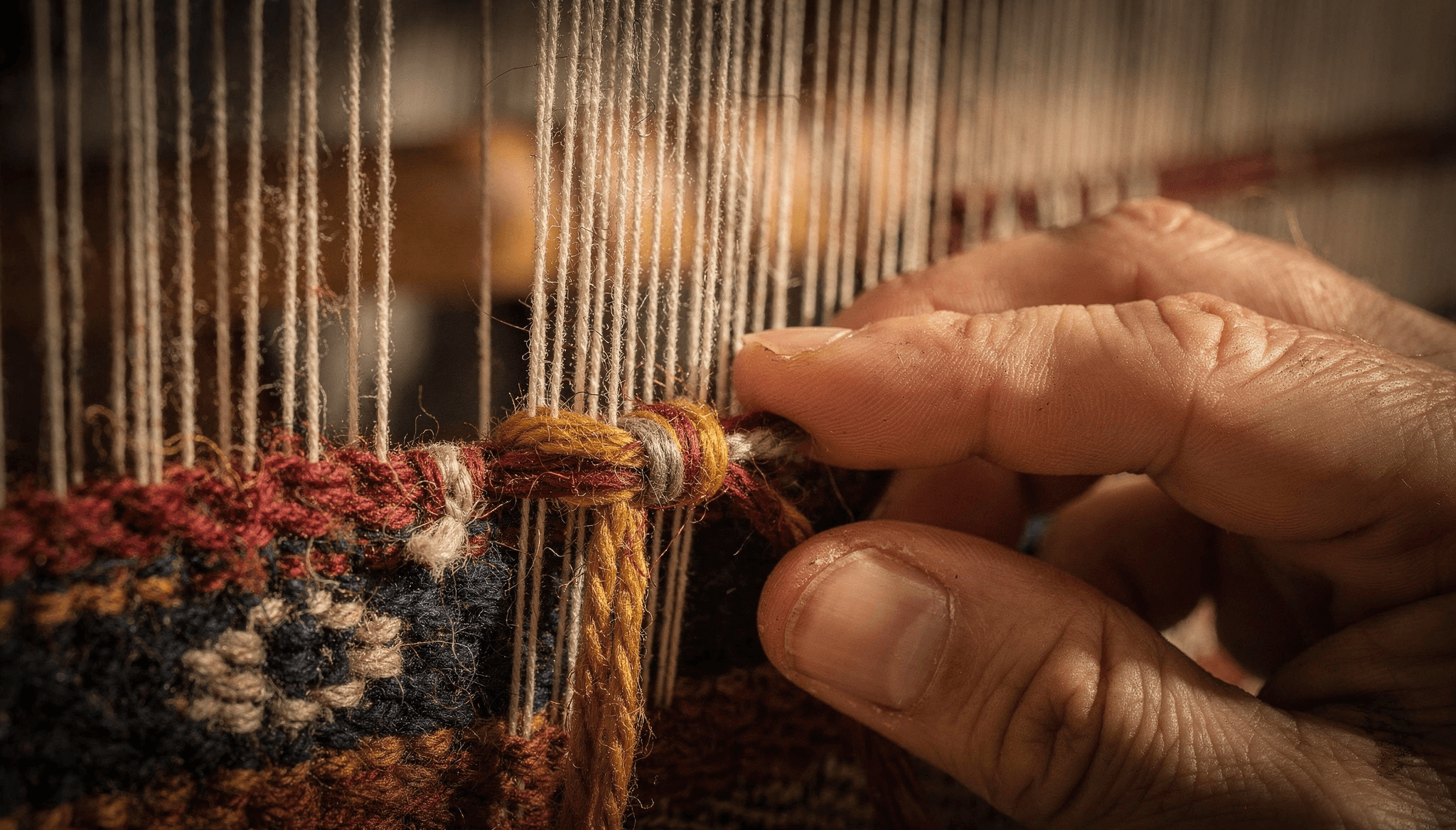
Symmetric or asymmetric: how the Turkish and Persian knots differ, what each means for drawing, density and durability, and why the names lead you astray.
Read article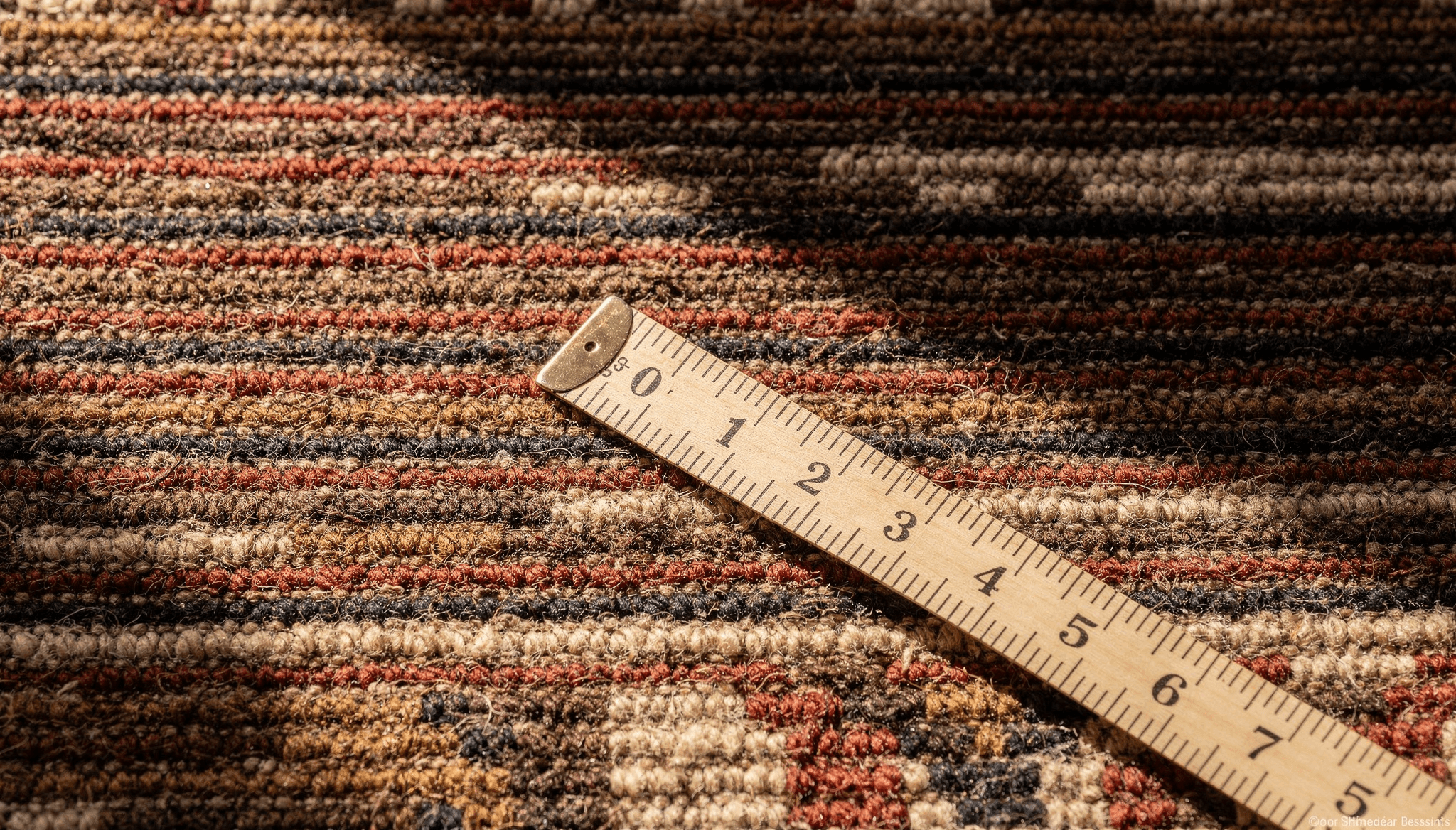
Knot density explained: what knots per square meter actually measures, when high density means quality, when it is wasted money and where the number occasionally lies.
Read article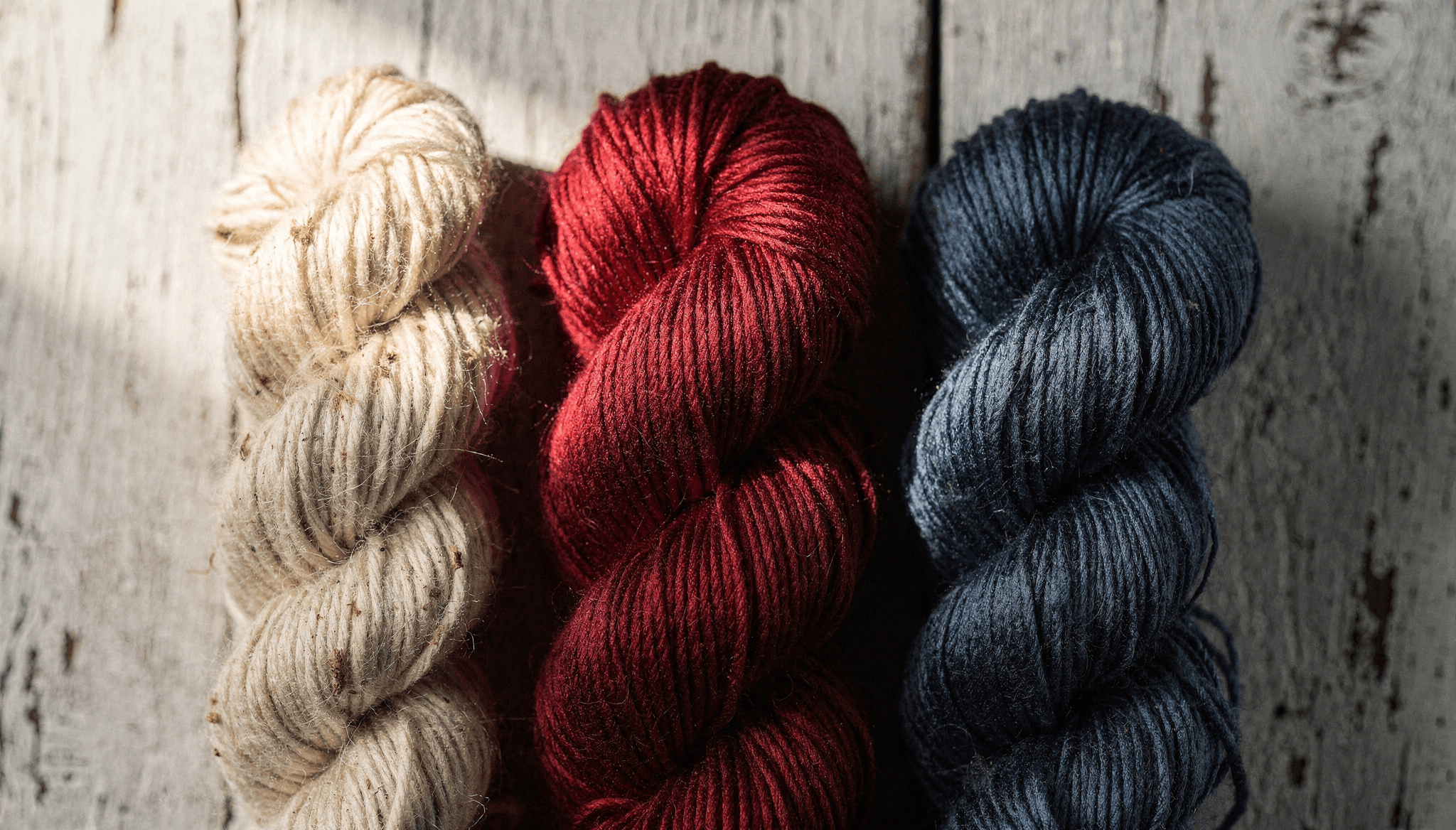
The three fibers of the handknotted rug in portrait: what wool carries, what makes silk glow, what bamboo silk can and cannot do, and how to choose by use.
Read article
Color matching on hand-dyed wool: how the path runs from a RAL or Pantone reference through wool samples to production, what light and dye type change, and which tolerances apply.
Read article
Handknotted rugs for high-traffic areas: what actually ages a rug, the four levers in the specification, and how zoning, underlay and care determine lifespan.
Read article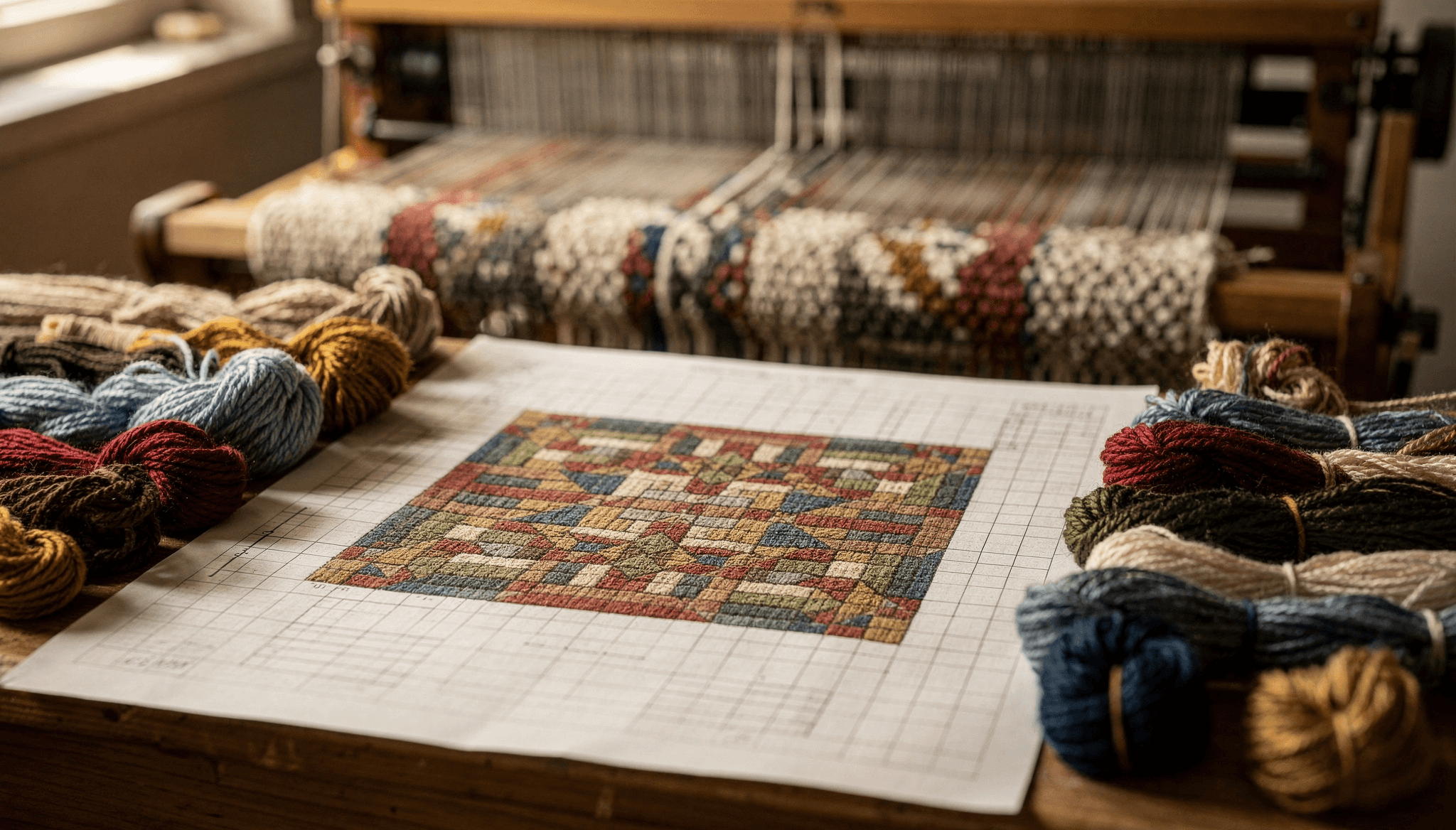
The making of a handknotted rug in six stations: from design through knot plan, dyeing and loom to washing, shearing and final inspection, with honest timeframes.
Read article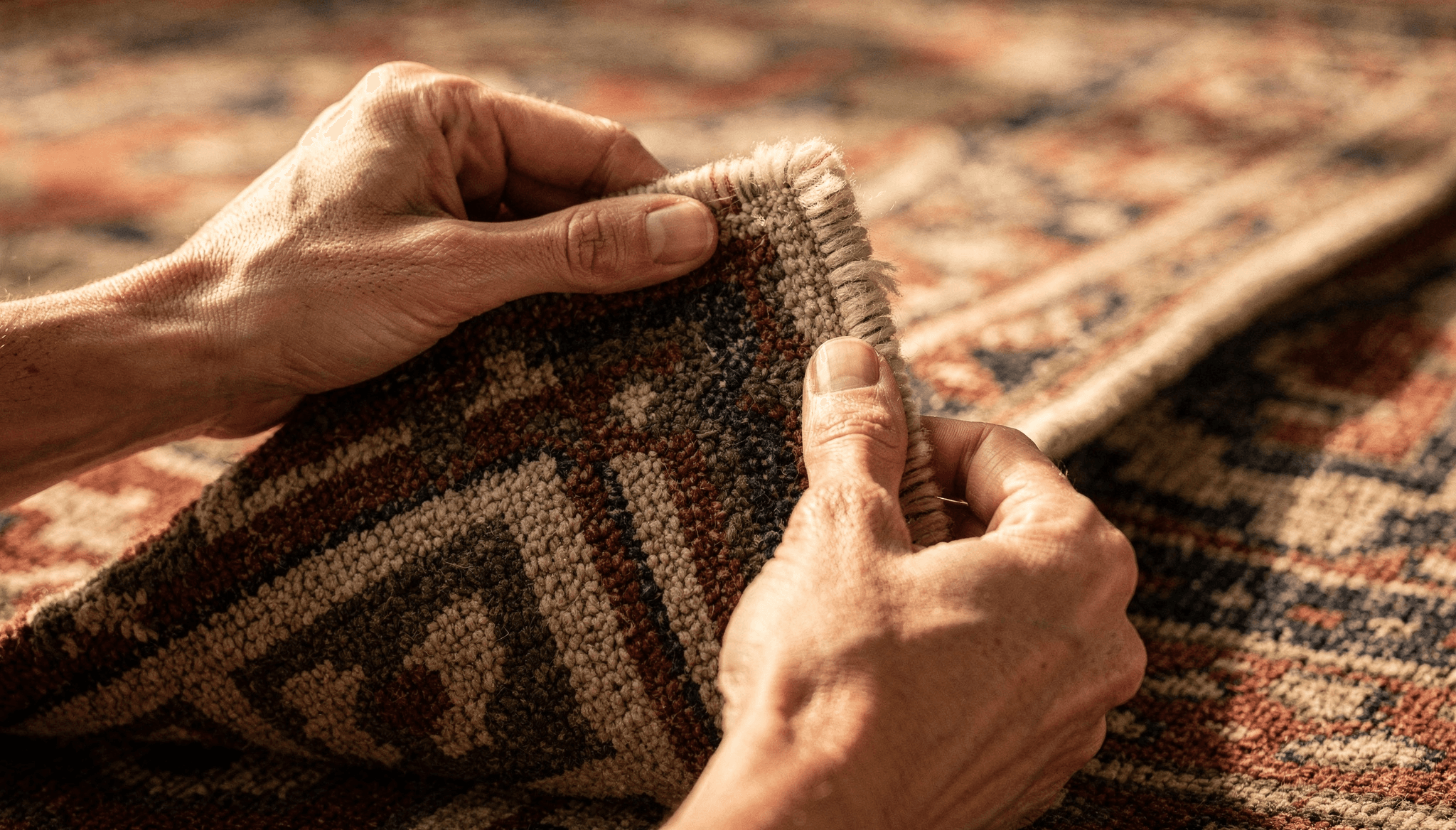
Verify authenticity in minutes: seven checks that separate a handknotted rug from machine-made and tufted goods, from the back of the rug to the logic of the price.
Read article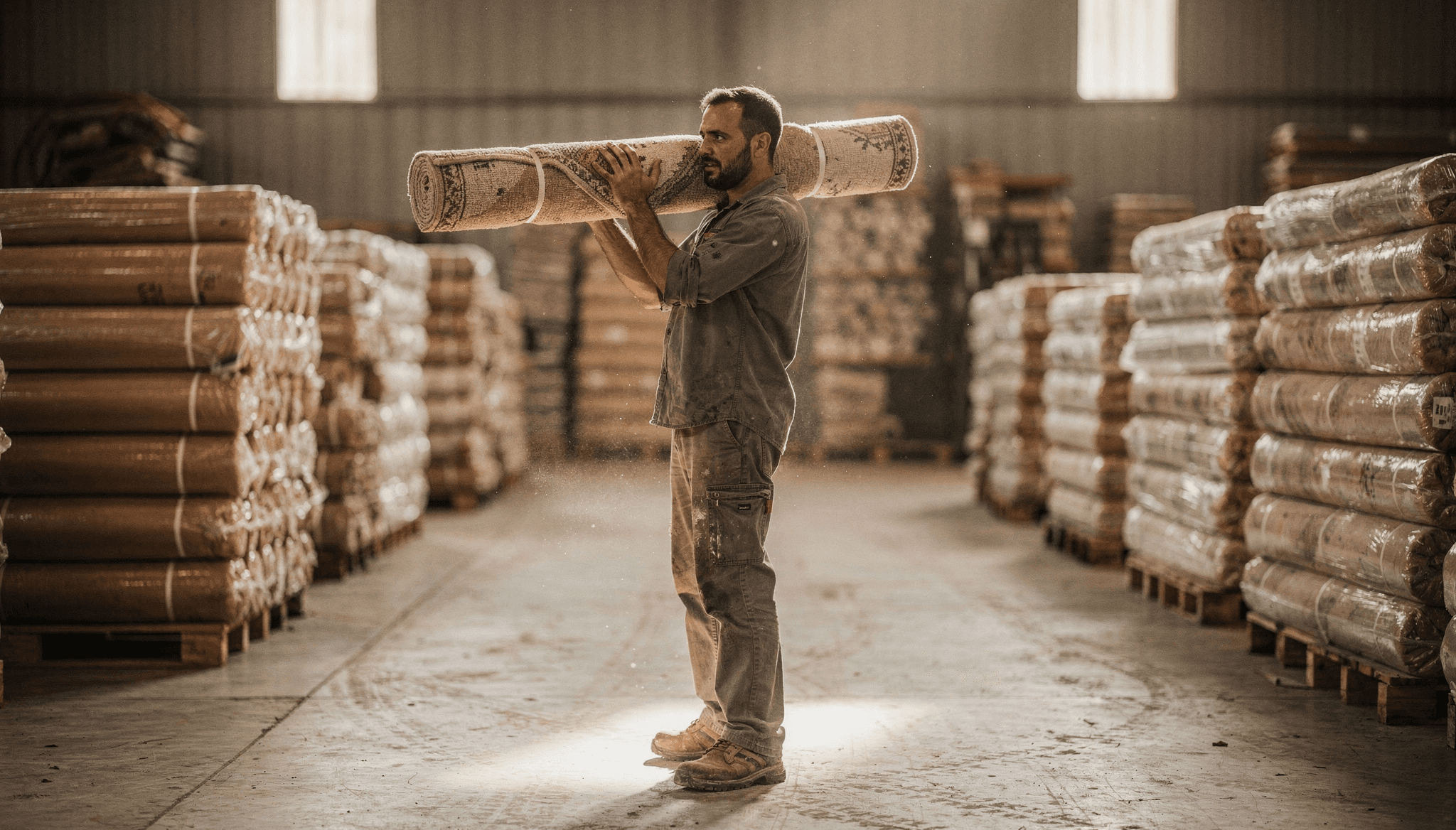
Direct rug import from India: which trade layers fall away, how Incoterms, duty and import VAT work, and what transport times to plan for.
Read article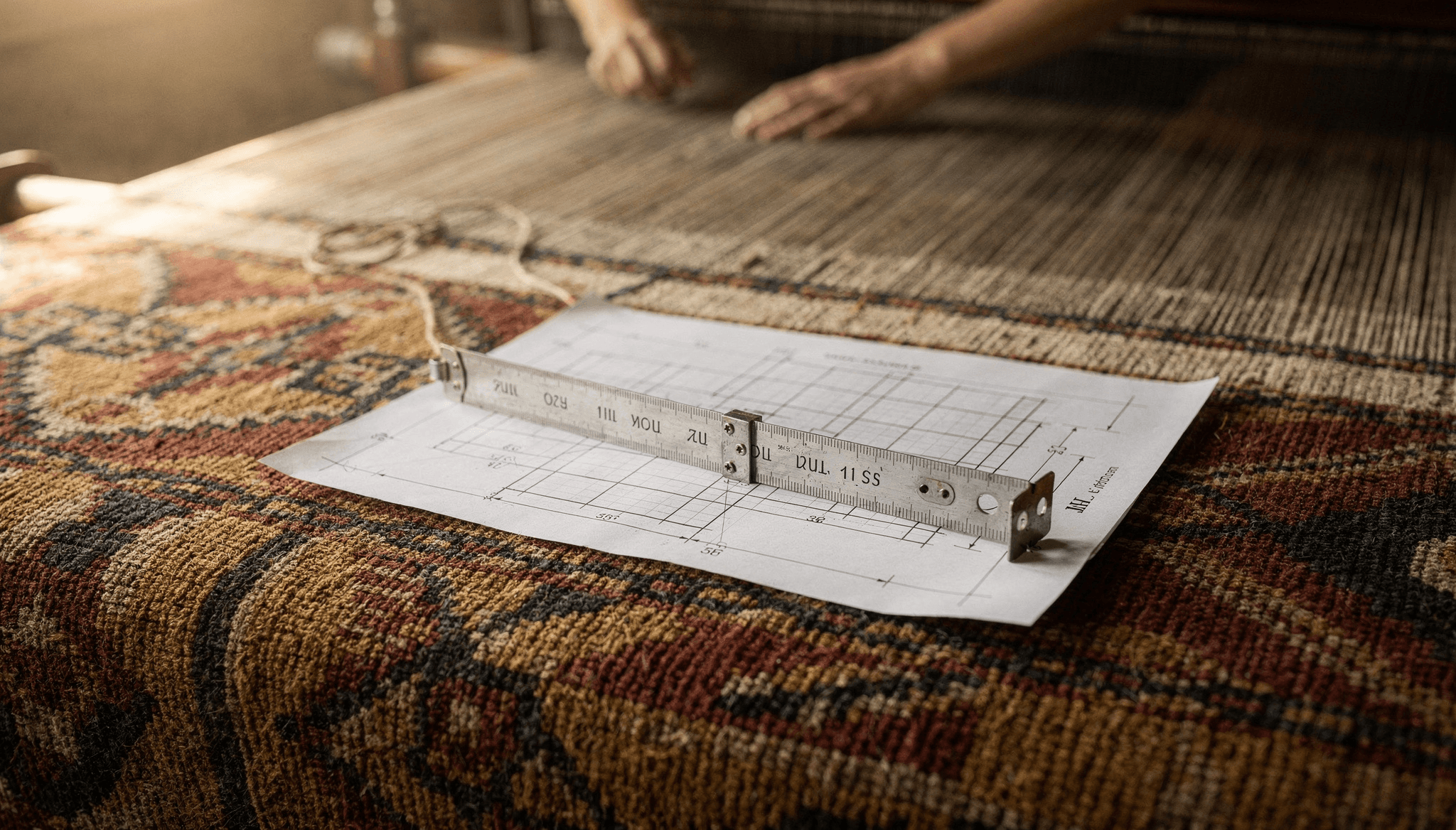
Custom rug sizing in handknotting: which sizes and shapes are possible, what tolerances apply, how the process runs and how custom dimensions affect the price.
Read article
Specifying handknotted rugs for contract and residential projects: material, sizing, color matching, sampling, timelines and pricing logic. The working guide for design professionals.
Read article
GoodWeave, GOTS and OEKO-TEX compared: what each label audits, what it guarantees, where its limits lie, and which questions every rug supplier should be able to answer.
Read article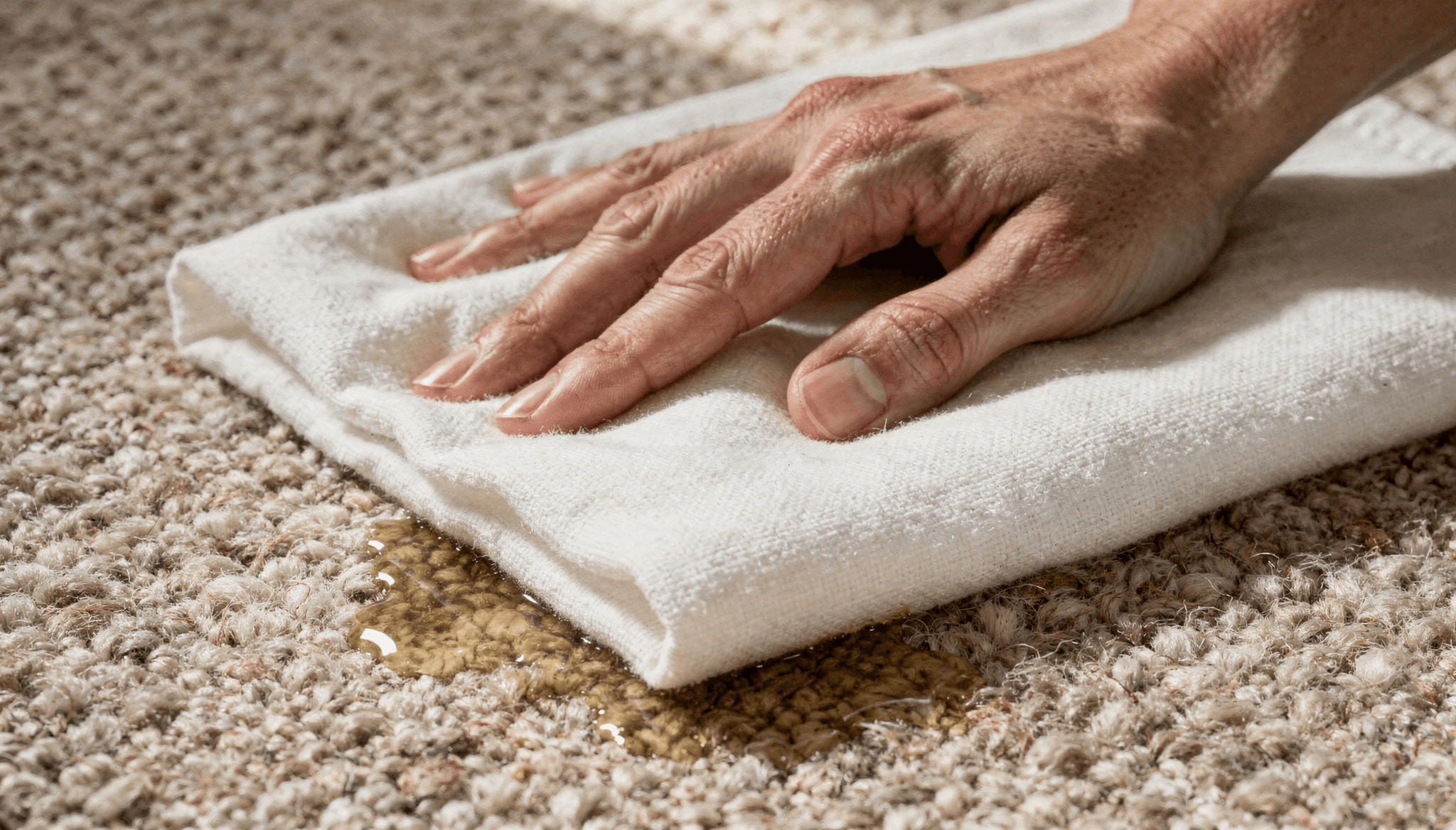
Cleaning by fiber and incident: the first-response protocol for spills, the right handling of red wine, grease and wax, the colorfastness test and what never belongs on wool.
Read article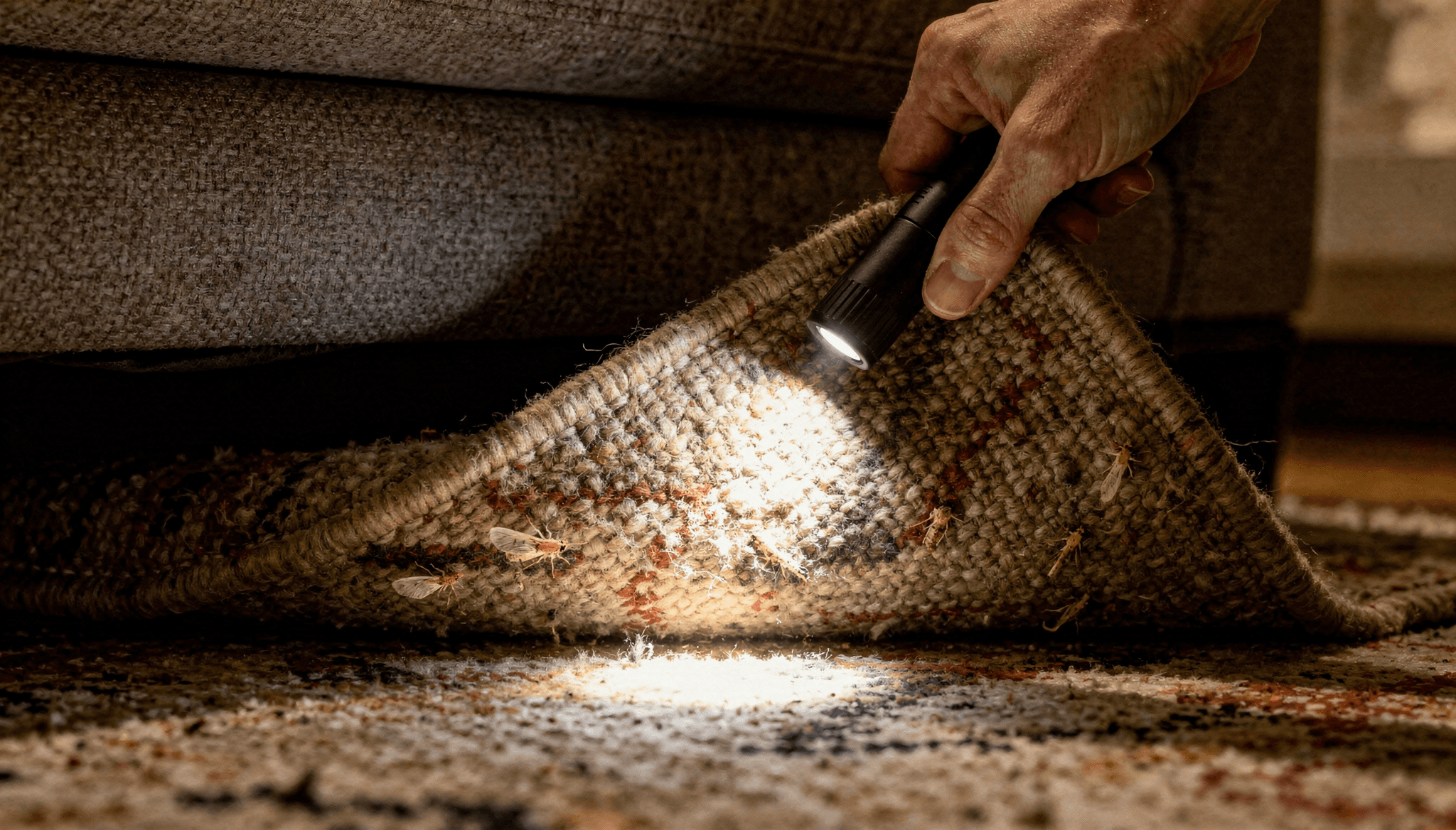
Moths and carpet beetles on wool rugs: how to spot infestation early, why movement is the best protection, what lavender really does and how treatment works.
Read article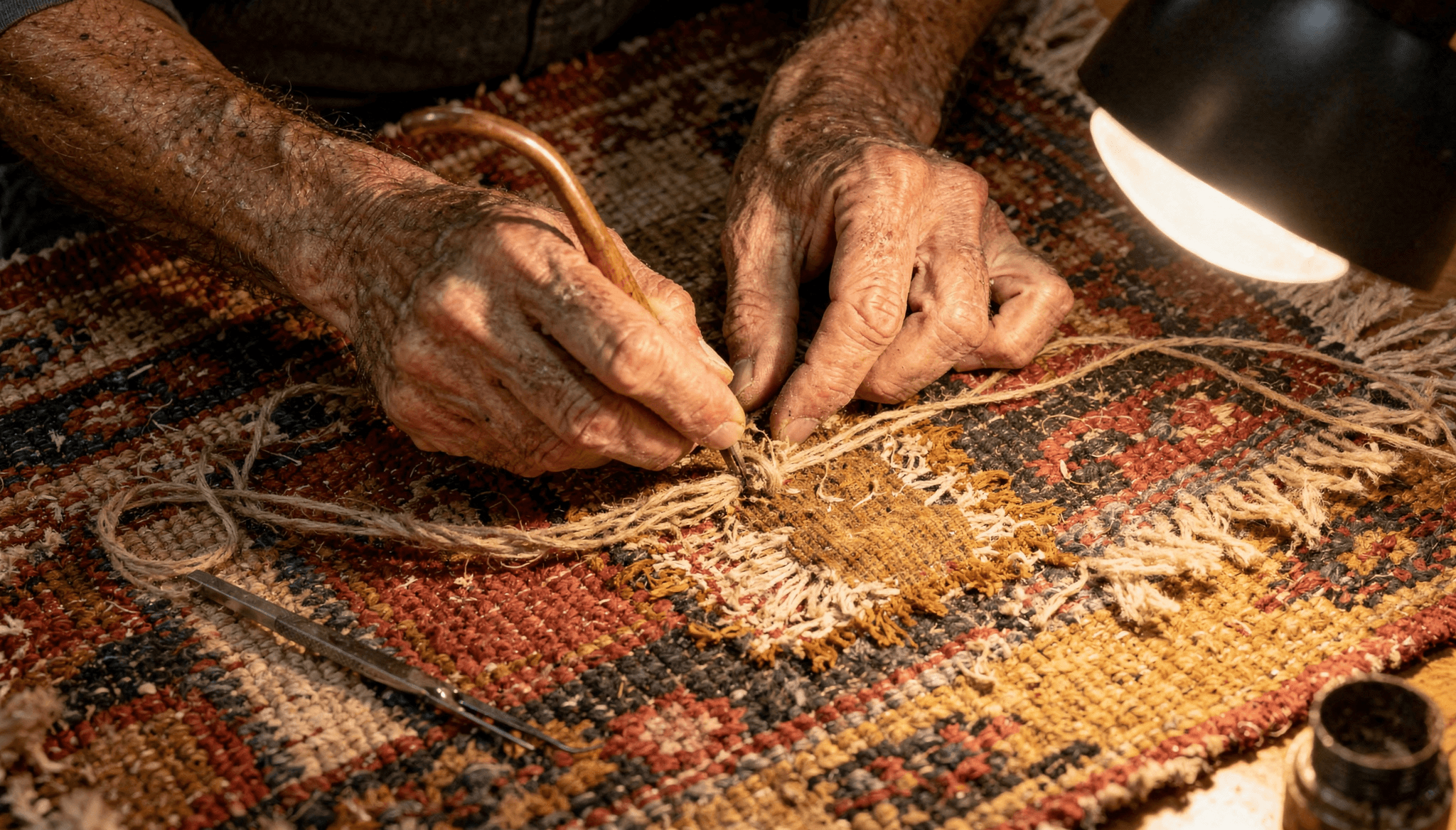
What can be repaired on handknotted rugs, why early repair is the affordable kind, and what value retention honestly means, beyond investment promises.
Read article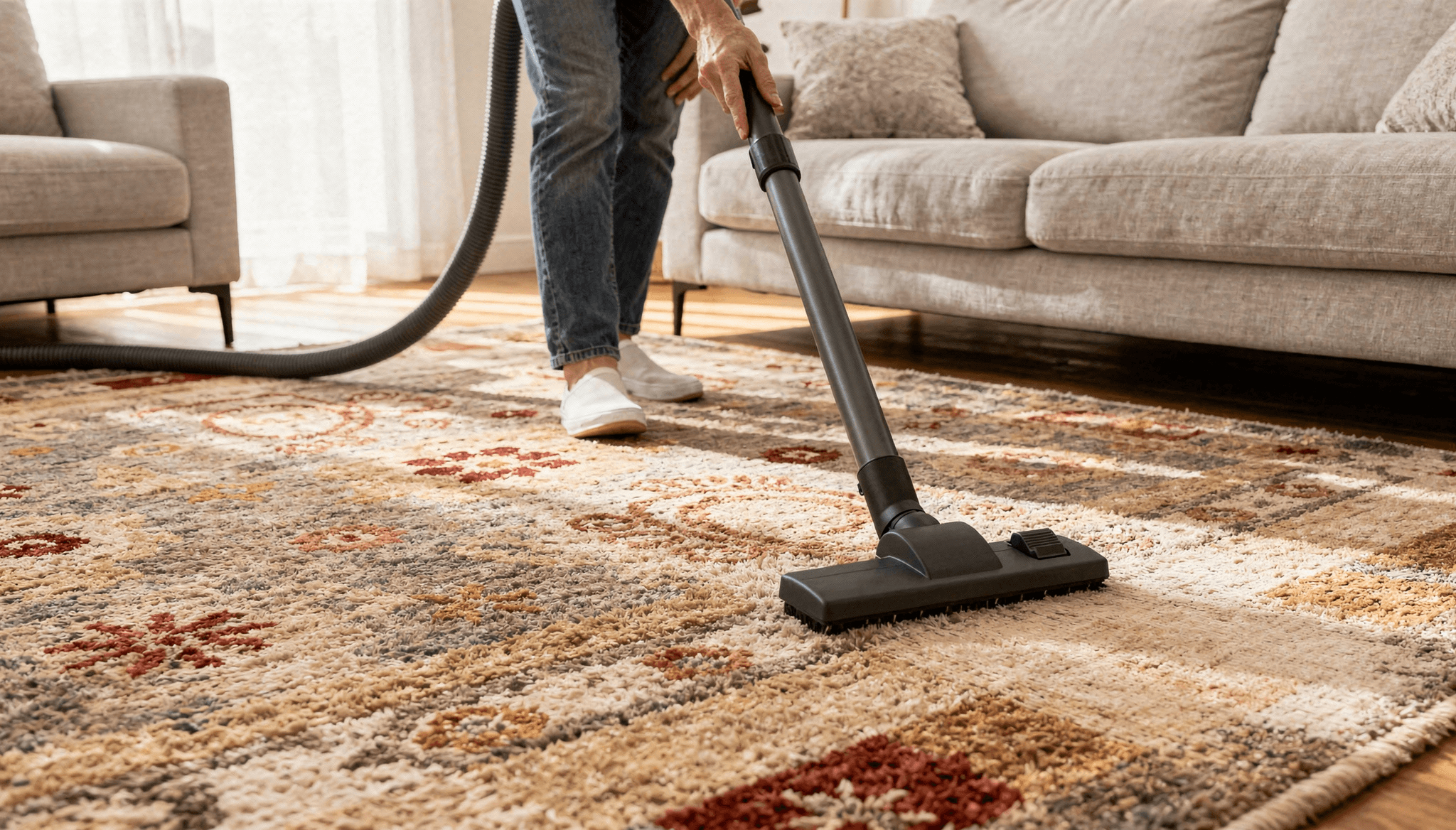
The complete care routine for handknotted rugs: vacuuming, rotating, sunlight, spills, professional washing and correct storage, with honest intervals.
Read article
Handknotted rugs on underfloor heating: why wool tolerates the temperatures with ease, how pile height and underlay determine heat transfer and what counts in planning.
Read article